All-in-one plant care platforms, aiming to serve as a single destination for species identification, watering schedules, and troubleshooting advice, address a genuine reader desire to simplify what can otherwise be a genuinely fragmented search across forums, nursery blogs, and outdated gardening books. A platform like todayplants.com fits within this model, positioning itself as a comprehensive resource for both new and experienced plant owners trying to keep their greenery alive.
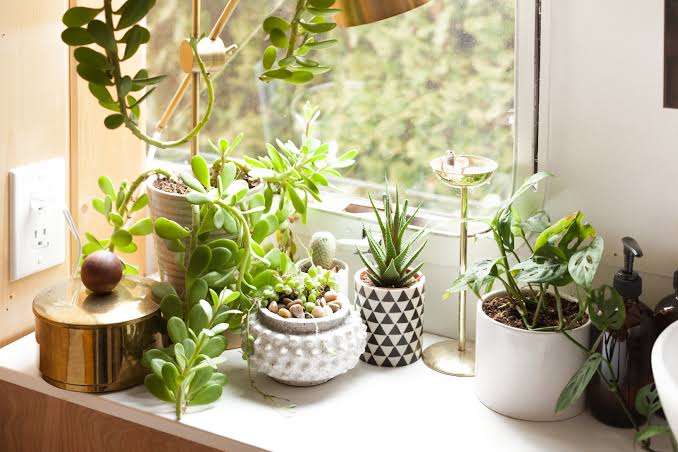
Understanding what genuinely distinguishes a useful plant care platform from one that merely aggregates generic advice matters considerably for readers actually trying to diagnose a struggling plant. Platforms offering species-specific detail — light requirements, soil composition, humidity preferences — provide considerably more practical value than those offering only broad, one-size-fits-all watering tips that don’t account for how differently a succulent and a fern actually behave.
Climate and seasonal considerations deserve particular attention for a platform covering plant care broadly, since watering and light needs shift significantly between seasons and vary enormously by region. Content that accounts for indoor versus outdoor conditions, and that acknowledges regional climate differences rather than assuming a single universal care schedule, offers considerably more reliable guidance than generic advice calibrated to no specific environment at all.
Accuracy and update frequency matter enormously for this kind of content, given how often plant care recommendations get revised as new research on soil science and pest management emerges. Content that clearly distinguishes between well-established care basics and more debated practices, rather than presenting every tip with equal confidence, gives readers a clearer sense of what’s reliably tested versus anecdotal.
Troubleshooting guidance across different skill levels deserves genuine editorial attention, since plant owners have meaningfully different starting points — a beginner needing basic care fundamentals has different needs than an experienced grower diagnosing a specific pest issue, and content serving only one end of that spectrum leaves a real gap for the other.
Plant identification tools, when offered alongside written care guides, add genuine practical value beyond text-based advice alone, helping readers translate a general interest in plant care into an actual, accurate diagnosis of the specific species and problem in front of them.
Affiliate links and product recommendations deserve particular reader attention when evaluating this kind of platform, since many plant care sites earn commission through recommended fertilizers, pots, or tools, making transparency about these relationships an important credibility marker that doesn’t necessarily undermine recommendation quality but is worth understanding when weighing specific product suggestions.