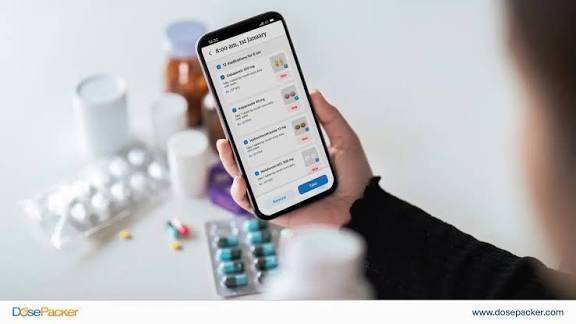

Consumer health information platforms, aiming to translate medical knowledge into accessible everyday language, address a genuine reader desire to understand symptoms, conditions, and treatment options without needing to parse dense clinical literature directly. A platform like healthcareecho.com fits within this model, positioning itself as a bridge between medical expertise and everyday reader understanding.
Understanding what genuinely distinguishes a trustworthy health platform from one presenting unverified claims matters considerably more here than in most other content categories, given the real-world stakes involved. Platforms that clearly cite medical sources or involve reviewers with relevant clinical credentials provide considerably more reliable guidance than those presenting health claims without any indication of their origin.
Clear scope boundaries deserve particular attention for a platform covering health topics broadly, since responsible health content should consistently distinguish general educational information from personalized medical advice, directing readers toward a qualified healthcare provider for diagnosis or treatment decisions rather than positioning itself as a substitute for one.
Currency and revision history matter enormously for this kind of content, given how frequently medical guidance is updated as new research emerges. Content that indicates when it was last medically reviewed, rather than presenting potentially outdated recommendations without any indication of their age, provides considerably more reliable guidance for readers making health-related decisions.
Balanced presentation of treatment options deserves genuine editorial attention, since responsible health content should present the range of accepted approaches to a condition along with their tradeoffs, rather than promoting a single treatment or product as a definitive solution.
Symptom-checker and self-assessment tools, when offered alongside written content, add genuine practical value when built on legitimate clinical logic, but deserve particular scrutiny for how clearly they communicate their limitations and encourage professional consultation rather than self-diagnosis.
Sponsorship and product relationships deserve particular reader attention when evaluating this kind of platform, since health sites sometimes carry relationships with supplement or pharmaceutical brands, making clear disclosure of these relationships an especially important credibility marker in this category specifically.